Showing posts with label Pra Somdej. Show all posts

Phra Somdej Wat Rakhang Ancient Amulet Somdej Toh

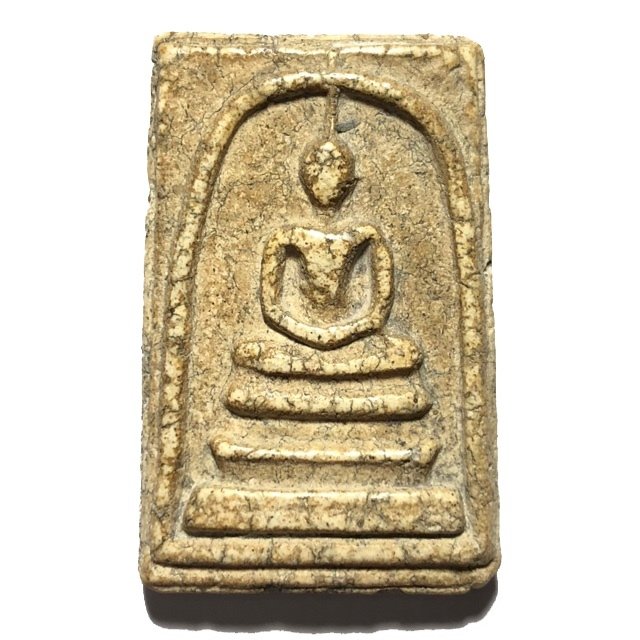
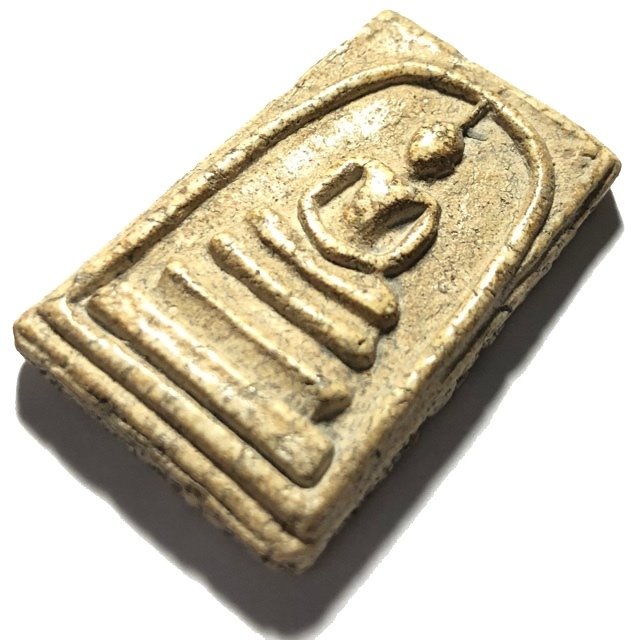
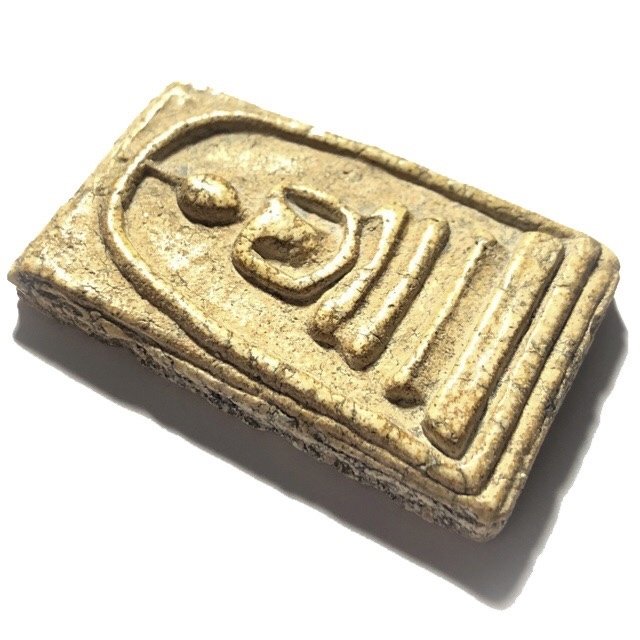
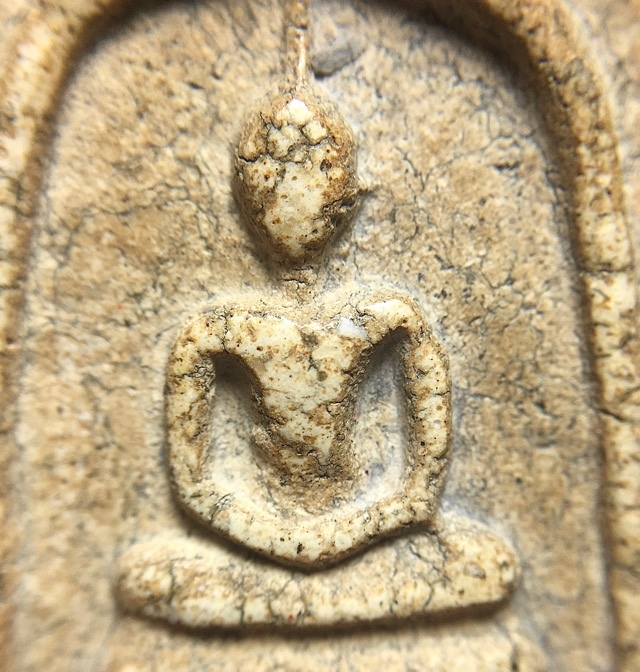
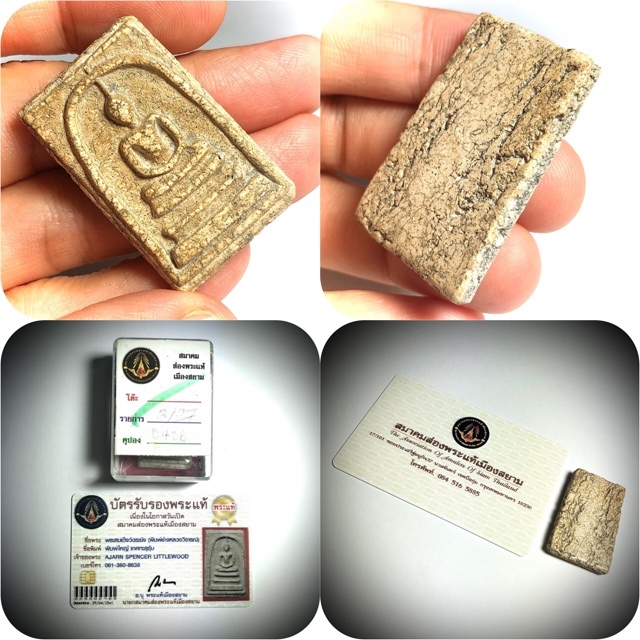
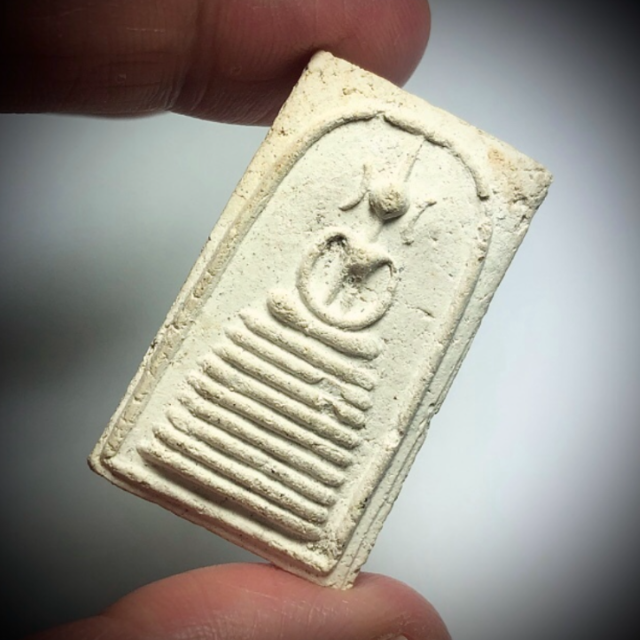
Experience the Splendor of the Benjapakee Immortal Classic Family's Crown Jewel: the Pra Somdej Wat Rakang Pim Yai Gaes Talu Sum (Topknot Pierces Arch), a masterpiece by Somdej Pra Puttajarn (Dto) Prohmrangsri of Wat Rakang Kositaram. It boasts exquisite front face detailing, flawless design, and enchanting rear face intricacies. This particular model, a Pim Niyom, is the creation of the revered artisan Chang Luang Wijarn. And yes, you can have it encased in Solid Gold or Silver for FREE.

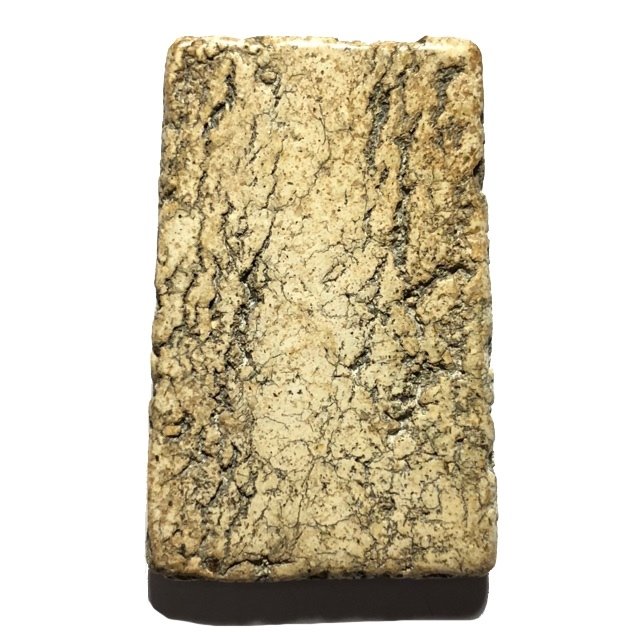
A truly ancient treasure dating back to the second era, crafted between 2390 - 2396 BE. The rear face of this amulet is truly unique, adorned with exquisite markings reminiscent of a classic Pra Somdej Wat Rakang. These amulets were dried on various surfaces, from marble stone to Mai Gradan wooden boards, resulting in distinct textures. Each Pra Somdej Wat Rakang is one of a kind, reflecting its individual character, adding to its legacy as the "King of Thai Amulets."

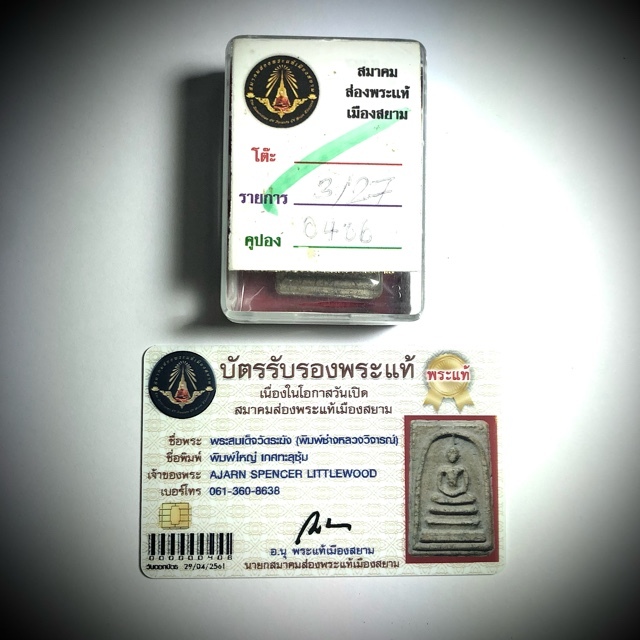
This amulet is accompanied by a micro-chipped card of authenticity, certifying its origin and the esteemed artisan's contribution, issued by the Pra Tae Mueang Siam Original Amulet Association.

An immortal classic and one of the most renowned Thai Buddhist amulets in history, treasured by devoted enthusiasts and affluent collectors of Somdej Pra Puttajarn (Dto) Prohmrangsri of Wat Rakang Kositaram. Crafted nearly two centuries ago, the Pra Somdej Wat Rakang has earned its title as the ultimate Thai amulet, thanks to its historical significance and the legend of its creator. It serves as the pinnacle and master amulet (Ongk Kroo) for all other Pra Somdej amulets.

This amulet comes with a certificate of authenticity in the form of a micro-chipped certificate card from the Chomrom Pra Tae Mueang Siam Amulet Appreciation Society. It also includes a complimentary box with an authenticity confirmation sticker. You can choose between Gold, Waterproof, or Solid Silver Casing—all included with your amulet. Plus, enjoy FREE EMS Shipping.

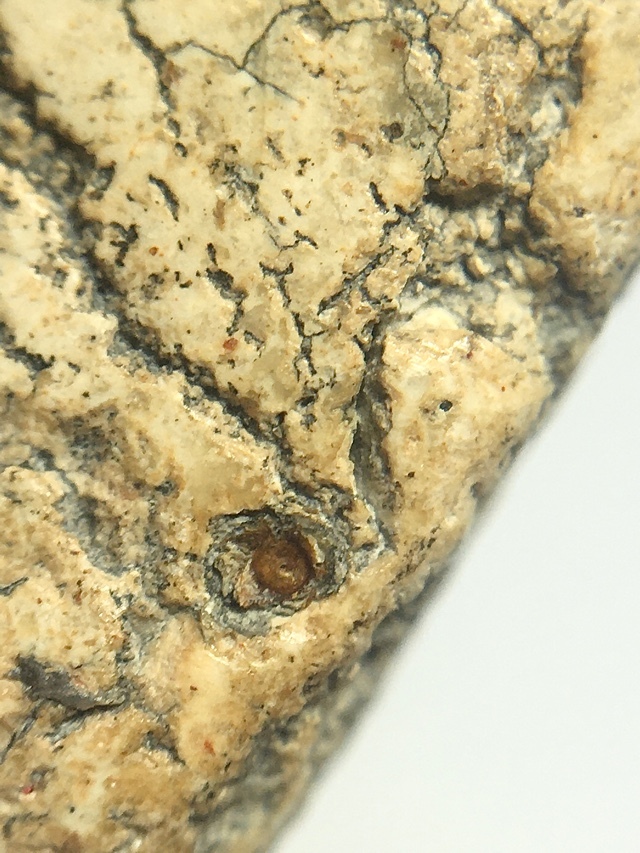
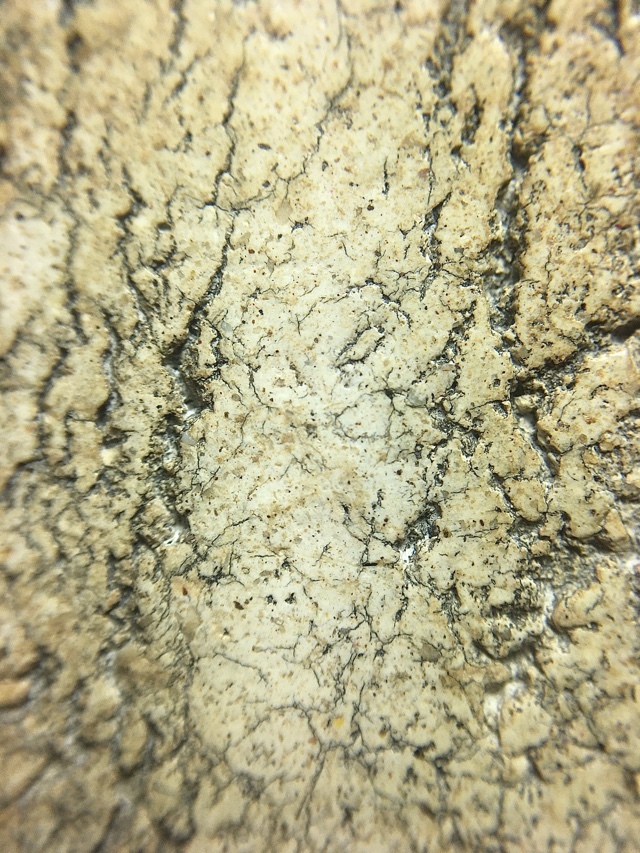
The rear face showcases all the classic features and sacred ingredients of an authentic Pra Somdej Wat Rakang of Somdej Dto. Its beautiful lined pattern, acquired over nearly two centuries, adds character and aids in authentication. Collectors and devotees covet this classic aged appearance and eye-catching pattern for its uniform perfection.

The contents of the Muan Sarn Sacred Clay reveal the essential elements expected from an authentic Pra Somdej Wat Rakang. The front face design is exquisite, as were all the block presses crafted by artisan Luang Wijarn, a royal artisan from the Chang Sip Moo group of craftsmen.

Pra Somdej Wat Rakang ranks among the classic Pra Somdej amulets of Somdej Dto, alongside Pra Somdej Wat Gaes Chaiyo and the Pra Somdej Wat Bang Khun Prohm. These amulets share popularity, beauty, sacredness from the Puttapisek ceremony, and a similar price range. Somdej Dto, the most celebrated Thai monk, and his Pra Somdej Wat Rakang, Gaes Chaiyo, and Bang Khun Prohm amulets (along with those from Wat Kanlayanamit, Kru Song Klong, and other hidden treasures) are the top choices in the Benjapakee Family, representing the highest tier of Pra Somdej amulets.

The Pra Somdej Wat Rakang amulet serves as the keystone and master amulet (Ongk Kroo) for all other Pra Somdej amulets. It features an image of the Buddha seated on a Dais, an iconic creation by Somdej Pra Puttajarn (Dto) Prohmrangsri of Wat Rakang Kositaram. Various 'Pim' (models) offer distinct design elements.

The Pra Somdej Wat Rakang, enriched with sacred powders and blessings from Somdej Dto, holds immensely potent Buddha magic. Crafted from a base of sea shells, dried rice from alms rounds, the five sacred magic powders of Somdej Dto, and 'Nam Man Dtang Iw' (a special oil for mixing), these amulets are renowned for their durability, even when submerged in water. The unique properties of 'Nam Man Dtang Iw' contribute to mold resistance, surpassing other oils like linseed oil.

The creation of a Dtamra, comprising exactly 84,000 amulets to match the number of Suttas in the Tripitaka, is a key criterion. Officially recognized Pim Song (shapes and sizes) of Pra Somdej Wat Rakang include Pim Pra Pratan, Pim Yai Niyom, Pim Chedi, Pim Prok Po, Pim Gaes Bua Dtum, Pim Gaes Talu Sum, and Pim Thaan Saem, as listed by the 'wongarn Pra Krueang.'


Somdej Gaes Chayo Wat Prasat 2506 Thai Buddha Amulet

Pra Somdej Pim Gaes Chayo 9 Chan 2506 BE Thai Buddhist Amulet, with 234 Monks present in the Puttapisek Blessing Ceremony.


Somdej Pim Sae Yid 2470 Luang Por Liam Wat Si Ruang Bun

Pra Somdej Sae Yid Khang Yant Unalome Ancient Buddha Amulet, seated on 13 Tiered Dais, with split torso design (Ok Wee), and 'Hak Sork' (broken elbows) an extremely rare and classic Sacred Votive tablet from Olden days Master Luang Phu Liam of Wat Sri Ruang Bun, and is an esteemed member of the Dtamra Pra Somdej of Master Class Status.

The image, and the aspects of the Muan Sarn Sacred Powders, have the inimitable features of the style of amulets which are so highly recognisable, as those of Luang Phu Liam, of Wat Sri Ruang Bun. The slim torso, has a split all the way down the middle (Ok Wee) and slanted curved elliptical elongated ears (Hoo Bai Si).

Luang Por Liam of Wat Sri Ruang Bun is a monk whose life story is not so very well recorded, because he was one of the gaeji Ajarn of Olden days, in times when it was still not common practice to record the Biographies of Monks, but from gathering info from many different books and articles, it is possible to piece together the most important facts.

Luang Phu Liam was the Abbot of Wat Sri Ruang Bun between 2457 and 2480 BE, after which he retired from the duties of Abbot due to old age and and lived until the year 2488 BE when he died at the age of 82 . Luang Phu Liam was born in theIsan country, who after his ordination as a monk, began the practice of Tudong solitary wandering, and wandered westwards until he reached Nontaburi.

It was here that Luang Phu Liam stopped, to dwell in the area close by to Wat Sri Ruang Bun, and this is how he came to stay there. He was known for his diligence and self controlled practice of Vinaya in the 227 Rules of practice of Ordained Bhikkhus

The local devotees of Wat Sri Rueang Bun had great reverence for Luang Phu Liam, for his merciful abilities in Traditional Medicine and Healing Practices. At the time that Luang Phu Liam came to stay at Wat Sri Ruang Bun, the temple was in disarray, with hardly any monks staying there, and the temple had no Abbot.

So the local folk beseeched Luang Phu Liam to stay there permanently and be the Abbot. Luang Phu was about 55 years old at that time, and Wat Sri Ruang Bun was a very peaceful small temple with open spaces, which fitted with his advanced practices of serenity and silence.

And so, Luang Phu accepted the offer to remain at Wat Sri Rueang Bun. Luang Phu became very renowned for his abilities to spray holy water and banish ghosts and demons who had possessed people, and even victims of rabid dog bites, who were howling with madness, would be instantly healed when Luang Phu performed his holy water ceremony on them.

As time passed, Luang Phu began to restore and build up the temple, and the people's faith and reverence for his selfless deeds grew and grew, and devotees began to increase steadily, coming to help Luang Phu in the development of the temple. As Luang Phu saw so many devotees come to help with the work and to make donations, he felt the need to give them something in return for their help, and to protect them and bring them good fortunes.

So Luang Phu began to make Pong Lop Sacred Yantra powders and performed his most powerful Metta Maha Niyom Magic to empower them, and mixed them according to the Dtamra Pra Somdej with Plueak Hoy seashell powders, to add Kong Grapan Chadtri power along with Kluay Nam Wa bananas, in the same formula used by Somdej Pra Puttajarn (Dto) Prohmrangsri of Wat Rakang Kositaram.

He then pressed these powders into the form of amulets, which consisted of 20 or so different design models. The artisans who made the 'Mae Pim' block press molds were expert in their work and created the different designs based on the same form as was used by the Great Luang Phu Poo of Wat Intra, and also basing some designs on models from the Dtamra Wat Chalerm Pragiart, and the amulets of Luang Por Kram of Wat Pra Ngern.

In addition, a few original design models were created, that are particular to Luang Phu Liam, which completed this pantheon of 20 or so amulets. The amulets were finished in 2470 BE, and Luang Phu began to empower them with blessings continuously for the whole ten years of his time as Abbot, and to hand them out slowly to the devotees over the years which came to pass from then onwards. Luang Phu did not bury any of the amulets in Gru Chamberand kept them in the open air always, and so all of his amulets have a very

The sacredness of these almost Century old amulets are indisputable for their great age, and the fact that Luang Phu Liam made them for the purpose of free distribution to the devotees, with completely pure intentions, giving them his most diligent efforts and intense empowerment. The amulets of Luang Phu Liam are an immensely attractive alternative to the much more expensive amulets of Luang Phu Poo of Wat Intrawiharn (Bang Khun Prohm), being of great age and with complete adherence to the Dtamra Pra Somdej.


Phra Somdej Wat Rakang Long Rak Chart Gaes Talu Sum Somdej Toh

Pra Somdej Wat Rakang Somdej Krua Toh (Somdej Pra Puttajarn Toh Prohmrangsri)

Enjoy a contundently narrated video giving insights into the principles of examination of authentic Pra Somdej, by Ajarn Spencer Littlewood. This video features a Certified Authentic Pra Somdej Wat Rakang Long Rak Chart, Pim Gaes Talu Sum Block Chang Luang Wijarn , of the great Somdej (Pra Puttajarn) Toh Prohmrangsri, of Wat Rakang Kositaram.


Phra Somdej Wat Rakang Long Rak Chart Gaes Talu Sum Somdej Toh

Pra Somdej Wat Rakang Somdej Krua Toh

Enjoy a contundently narrated video giving insights into the principles of examination of authentic Pra Somdej, by Ajarn Spencer Littlewood. This video features a Certified Authentic Pra Somdej Wat Rakang Long Rak Chart, Pim Gaes Talu
Sum Block Chang Luang Wijarn , of the great Somdej (Pra Puttajarn) Toh
Prohmrangsri, of Wat Rakang Kositaram.


Buddha Magic 5 out 7th November! Pra Somdej and Lek Lai specials included

Issue 5 of Buddha Magic will be on sale as of the 7th November 2011- This issue is a Bumper Issue of over 140 pages, and costs a little more than the previous 4 issues


NOTE - this is an E-BOOK, NOT Physical goods. The Ebook is a Virtual download in PDF Format for on screen reading. You can however print one copy for your own use and reference. A4 Format prints very clearly.


The stories contained in it will be added to the below Contents List, as Ajarn Spencer completes each Chapter. You can see previews of each issue in the photo albums on www.facebook.com/buddhamagic - screen shots of the interior will also be posted here soon. The 'Out of Stock' message will change to 'In Stock' after Publication on the 7th November.

Contents of Buddha Magic Issue 5
1. Pra Somdej – King of Thai Amulets – The fifth, and Final episode of the Pra Somdej Saga and the Biographical section about Somdej Pra Puttajarn (Dto) Prohmrangsri of Wat Rakang – This last episode reveals a host of information on how to examine and recognise the Pra Somdej Wat Bang Khun Prohm Chedi Yai and 2509 Edition amulets, as well as continuing to reveal more essential information on the Pra Somdej Wat Rakang.
2. Piti Puttapisek – Buddha Abhiseka empowerment and blessing ceremonies for Buddha Images and amulets. How is a Putta Pisek Ceremony performed? A detailed investigation into the Ceremonial Methods of the Buddha Abhiseka.
3. Important Ceremonies and Rites - a look into some other Religious Ceremonies and Rituals performed in Thai Buddhist Tradition.
4. Dtu Pra Tam – Thai Scripture Cabinets used for containing the Buddhist Scriptures. What are their Origins?
4. How to Worship King Rama 5 – Thai People Revere His Majesty King Rama 5 of the Chakri Dynasty every Tuesday – many Buddhist people of other countries also wish to perform this method of Prayer too. This article explains the basics of how to revere and give offerings according to Thai Buddhist tradition.
5. Suang Sawan Hok Chan - Six levels of Thai Buddhist Heavens. A detailed synopsis of the Cosmology and Pantheon of Deities and Denizen Creatures.
6. Lek Lai - after one preliminary essay in previous publications, it is now time to delve deeper into the Lek Lai Legend (or Myth?), and present some of the different types of Lek Lai related elemental substances. 25 pages of info about Lek Lai.
7. Pra Putta Roop Paed Samai - Eight Eras of Buddhist Art and Sculpture - various ancient Thai Buddha sculptures from the eight major Periods of Thai Buddhist Art.

Screen Shots of Buddha Magic Issue 5

Buddha Magic Issue 5
$18.00

Pra Somdej Wat Rakang Pim Prok Po - 108 Anniversary 2523 BE

A Classic edition of Pra Somdej Wat Rakang amulet made in 2523 BE Memorial Edition. On the 108th Anniversary of the Death of Somdej Dto Prohmrangsri (ex Abbot of Wat Rakang), in 2523 BE, a Very Special set of Memorial amulets were produced and empowered, for the ordained and lay communities to have a remembrance of Faith of Somdej Dto, and a powerful proptections and inspiration for practice.

This amulet is important no only for its magical properties, rather is also of great Cultural, Historical and Artistic importance.
This example is a Pim Prok Po (falling Bodhi Leaves).
The Prok Po is one of the five Pim Niyom models made by Somdej Dto, which have become the five greatest classic Pim of Pra Somdej Wat rakang (although there are also other Pim too, which are both rare and more diffucult to classify). The image represents the Lord Buddha in the moment of his enlightenment as the Bodhi Leaves began to fall from the tree and flowers descended from the sky.
This 108 Years anniversary of Somdej Pra Puttajarn (Dto) prohmrangsri is an extra Classic Collectible which is listed as one of the officially popular and sought after amulets of the Pra Somdej Wat rakang Pantheon of amulets. The Number 108 is a most sacred number for Thai Buddhists. This immensely rare Item is yet another amulet which, as do all Wat Rakang Amulets, has a substantial initial value, which will steadily increase in rarity and monetary value as the years pass. A wonderful Bucha Item with true sacred Puttapisek Empowerments made at Wat Rakang, Wat Bang Khun Prohm, and Wat Gaes Chaiyo temples, recieving multiple chanting and empowerments through its passage from one temple to the next. The 108 Anniversary edition is along with the 100, 118, and 122 year editions a classic Masterpiece amulet.
The rear face has the traditional stamp from the Temple of Wat rakang Kositaram on the back for authenticity. The Muan Sarn Sacred Powders are evidently rich as is expected from Wat Rakang Somdejs.
This amulet is not only sought out as an object of  personal reverence in Thailand, but is also popular as a gift to ones employers, or peers in Business, or as a gift to valued Family members, because it is accepted as a special classic edition amulet in expert circles. Its sacred value is renowned, and can be found on show in many specialist publications.
This amulet Can be encased in stainless steel casing if wished. Select the option for encasement above the 'Add To Bag' button when purchasing if you wish it to be encased before sending. Price for stainless steel casing is ten dollars for the case and encasement.
Putta Pisek

The Puttapisek Blessing ceremony was just as large and with important Masters performing the empowerments as the 100 Anniversary edition which is now almost impossible to find anymore (due to immense popularity).

The Puttapisek was performed In the Uposadha Shrineroom of Wat Rakang Kositaram, with famous and revred Master Guru Monks from all Provinces being invited to attend the empowerments, and sit and perform 'Nang Prok Plug saek' (sit on their pedestals and empower with incantations).

Kata Bucha Pra Somdej

Om Sri Sri Prohmrangsri Namadtae Mahaa Thaeraanusadto Maedt Dta Dtang Sukhang Andtaraayang Winaasandti Pawandtu Dte/Mae (use 'Dte' for wishing blessing on 'Them' and 'Mae' for wishing blessings on 'Me').
Pra Somdej Wat Rakang Pim Prok Po - Run Anusorn 108 Pi (108th Anniversary of Somdej Dto edition) 2523 BE
$104.00

Subscribe in a reader

Somdej Wat Rakang 2500 BE LP Nak - 25 Centuries of Buddhism Edition

This rare and extremely beautiful Pra Somdej (Pim Sum Rakang) Wat Rakang Kositaram amulet is from Hlwong Phu Nak of Wat Rakang. It is an extremely special edition, for it was made in B.E. 2500 (now is 2553), to celebrate the 2500th anniversary of the Buddha Sasana (Buddhist religion).


Hlwong Phu Nak is a Gaeji Ajarn (Master Monk) in his own right, and is one of the Masters who still possessed the traditional techniques and methods for the creation of Somdej Amulets as did LP Dto Promrangsri, the original creator of the Somdej Wat Rakang Amulet. One very strange occurrence is that somehow LP Nak became very famous and popular with both Malaysian and Singaporean collectors, who came and sought out these amulets like crazy and bought them to take home to their countries with them. In spite of this fact, you don't see many of them for sale in these countries because most people who buy them are collectors or faithful devotees and do not wish to part with them. For this reason, the Lp Nak Somdej amulets are predicted to become extremely rare and extremely expensive in the near future, with prices expected to rise right up to the level of Somdej Bang Khun Prom 2509 edition, which is pictured in the below image.


This generation of Somdej amulet is now almost impossible to find easily, and can be considered an extremely desirable and collectible amulet. The sheer beauty of the surface texture of this amulet is breathtaking indeed. LP Nak inherited the Somdej Dtamnan from LP Dto. The LP Nak Somdej amulets are considered to be extremely sacred and powerful and are extremely popular in Thai amulet collector circles.

This amulet had at least thirteen reprints because of the popularity of the amulet. This particular edition is the 6th repressing of 2500 BE
The date of the pressing and Puttapisek blessing ceremony is so important that this fact alone makes the amulet so very collectible and inviting to revere in your home or wear it as 'Puttanussati" (remembrance of Buddha and the Dhamma, Sangha). This is indeed what i would call a real authentic ancient amulet with true sacredness as well as historical and art collection value.
I am not sure if i would rent it, but i have a friend who has two of these who is renting them out. I don't think they will be there for many days longer though as such amulets never remain on the shelves for long. He said he is willing to let one go for about 200$sg, which i believe to be a very fair price indeed for a fifty three year old Somdej Wat Rakang from the hand of LP Nak himself!


This set of amulets used powder from some original somdej amulets given by Somdej Dto Promrangsri himself. The LP Nak amulets are of great popularity because they are a great alternative to the original and ridiculously expensive Somdej Dto amulets, and are considered to be just as powerful and sacred. I believe that the chances of owning an amulet like this are becoming less and less in recent years, and that soon it will be practically impossible to obtain authentic old Wat Rakang amulets. There are ever more collectors and ever less amulets on the market.  

The amulets were made using the following ingredients


1.  Powder from the chalk sticks used in the making of Pong Saksit (sacred powder for amulet making),
2.     Rice fragments kept by LP Dto
3.    Pong Putta Kun
4.    
Pong Bpatamang
5.    
Pong Tri Ni Singhe
6.    
Pong Maha Rach
7.     Pong Itti Jae Powder
The chalks used in the making of the Bpatamang, Trinisinghe Maharach and Itijae powders were mixed with sacred water that squeezed from the leaves of seven kinds of Thai plant including Bai Tamlueng , Yord Sawad, Yod Ga Hlong, Yod Raksorn,Chaiyapruek, Rachapreuk and Dork Mali (jasmine). 


In my E-Book 'Sak Yant Buddhist tattoos, Animist magic, Spirit Possession', i explain how to make Pong Bpatamang, Puttakun, Dtrinisinghe, Maha Rach and Itijae. You can read all about LP Dtos sacred powder formula by buying the e-book , which you can see some screenshots of on the following page


 Below; LP Nak Somdejs in the News


All of the ingredients of the Wat Rakang amulets were mixed with; 
  •       Nuea Pong (powder substances) 
  •       Klee Saema (broken pieces of temple wall stones       
  •       Gaesorn Sut Bongot (pollen from the Bongot lotus flower)
  •       Kluay Nam Tai (a kind of Thai banana) mixed with sap from the rubber tree (Yang Madtum)
  •       Blueag Hoy  (white clam shells)
  •       Nam Man Jantr  (jasmine oil)
  •       Nam Man Dtang Iw (aromatic resinous oil used to congeal and cement the amulet mix with)
  •       One hundred and eight kinds of flowers collected by LP Dto Prohmrangsri
  Sacred powders and pollens      (Pong Saksit)
      Pong Bpatamang - Klaew Klaad Kong Grapan,  (protection from injury and accidents)
      Pong Puttakunr - for great charm  and avoid danger (Maha Sanaeh and Klaew Klaad magic)
      Pong Tri Ni Singhe  - attractiveness.
      Pong Maha Rach  - power and respect
      Pong Itijae Powder - Metta Mahaniyom - this increases the likability of the wearer of this magic

  Sacred Flowers and magical plants
      Dork Sawad - Metta Mahaniyom, Sanaeh
      Dork Gahlong - love charm.
      Dork Raksorn - love and metta
      Dork Ga Fag Rak - love and attraction charm
      Dork Chayapuek - power and protection from danger
      Dork Rachapruek - Amnaj and Klaew Klaad (commanding power and avoid accidents)
      Dork Waanangkurm -Kong Grapan Klaew Klaad
      Dork Waan - Klaew Klaad
      Dork Waan Sanah Junkhao - charm and protection from danger
      Dork Wan Sanah Jundum - charm and protection from danger
      Dork Wan Sanah Jundang - charm and protection from danger
      Dork Wannangkuak - charm
      Waan Pra Buddha Jaoluang - charm and protection from danger
      Bai Plu Ruam Jai - charm
      Bai Plu Song Tang - charm and protection from danger
      Pong Gaesorn Ha Bua - five lotus pollens
      Kesorn 108 - charm and protection from danger


The Puttapisek ceremony included 108 different Gaeji Ajarn Master Monks, who were invited from all the provinces of Thailand, to chant and empower the amulets. (i am going to add the list of monks who joined in the ceremony here soon)


Tibetan Buddhist Rites From The Monasteries of Bhutan Vol 2: Sacred Dances and RitualsPopular Buddhist Texts from Nepal: Narratives and Rituals of Newar BuddhismCandle Festival and Sculpture, Buddhist Lent Rituals, Ubon Ratchathani, Thailand Photographic Poster Print by Gavriel Jecan, 18x24

This set of amulets used powder from some original Somdej amulets which had been accumulated from devotees bringing broken amulets and placing them in the temples (a traditional belied in Thailand that if an amulet breaks, you should go place it under a tree in a temple). A great number of Wat Rakang amulets had been collected, and these ultra sacred artifacts were then broken up and mixed in along with a load of Somdej Wat Rakang amulets which had been found in the roof of the Temple and then used with the rest of the original Somdej Wat Rakang amulet mixture. 


Because of LP Nak using these special extra ingredients, as well as his faithful adherance to the system of making Pong Puttakun used in the amulet cement as taught by Somdej Dto Promrangsri himself, these amulets made between 2485-2500 have become extremely attractive to faithful devotees of Somdej amulets for the simlke reason that this generation of amulets contains some of the most sacred substances available, which are almost impossible to find in amulets made after this date, be they from Wat Rakang, or elsewhere.

The LP Nak amulets are of great popularity because they are a great alternative to the original and ridiculously expensive Somdej Dto amulets, and are considered to be just as powerful and sacred. I believe that the chances of owning an amulet like this are becoming less and less un recent years, and that soon it will be practically impossible to obtain authentic old wat rakang amulets. There are ever more collectors and ever less amulets on the market. 
Pra Somdej Wat Rakang 2500 BE - Pim Sum Rakang - LP Nak - 25 Centuries of Buddhism Edition
$160.00

Civaka Healing Ruesi amulet - Somdej Chinabanchorn - Luang Por Tuad amulets with triple empowerment ceremony

Boroma Kroo Phu Ruesi Chiwok Gomarapat 'Rokapinaas' edition Ruesi amulet with pong Puttakun and wood from the roof of the Uposadha shrine room at Wat Rakang Kositaram mixed into the sacred powder.


It also has Rae Gaayasit mineral relics sprinkled over the rear face. This amulet is rare in the sense that you don't see many Thai Buddhist amulets that are specifically designed to prevent illness and also to heal illness.
Ruesi Phu Chiwok was the Personal Physician of the Lord Buddha Sakyamuni, and is the Kroo of all massage and healing practitioners, as well as those Ruesi who are involved in herbal healing, reiki, ayurveda and the like.


Above; Muan Sarn - Wooden struts from the roof of Wat Rakang (Chor Fa Wat Rakang), Pong Puttakun, Pong Ya Wasana Jinda Manee.

Boroma Kroo Phu Ruesi Chiwok Gomarapat 'Rokapinaas' Nuea Pong Puttakun - Healing amulet
$36.00

There are three kinds (and three different prices) made from various sacred powder mixture. The main mixture is made first using wood from the Wat Rakang Shrine room roof struts and sacred powders. Then each amulet is made using the base mixture to mix with other ingredient. One has Pong Puttakun mixed in extra, the other has Mai Mongkol powders, and the third one (top of range) is made with an extra special helping of Pong Ya Wasana Jinda Manee. Pong Ya Wasana Jinda Manee is a very rare and difficult substance to get hold of which has amazing qualities and powers of both healing and also Puttakun and Metta.

Boroma Kroo Chiwok Rokapinaas Nuea Pong Mai Mongkol, with Rae Gao 2516 BE mineral relics sprinkled over the rear face.
Boroma Kroo Chiwok Nuea Pong Ya Wasana Jinda Manee, with Rae Gao 2516 BE mineral relics sprinkled over the rear face.
Boroma Kroo Phu Ruesi Chiwok Gomarapat 'Rokapinaas' - Nuea Pong Ya Wasana Jinda Mani
$54.00

The amulets are part of a line of amulets which whose flagship is the 'Pra Somdej Chinabanchorn 'Run Jakapat' edition which is a Pra Somdej Pim Yai with the Chinabanchorn Kata from Somdej Dto Prohmrangsri inscribed on the back.

Pra Somdej Chinabanchorn Run Jakapat

Above; Pra Somdej Chinabanchorn 'Run Jakapat' Nuea Pong Ya Wasana Jinda Manee
This amulet has an extra special amount of wood from the Chor Fa Wat Rakang in the sacred mixture, and an extra helping of Ya Wasana Jinda Manee. This is the top rage of the sacred powder Somdej range. It also has relics from Volcano lava, Lek Nam Pii (Lek Lai) and Paya Saming Lek (Lek Lai residue) mixed into the sacred powder. Comes with a stainless steel waterproof case direct from the temple.
Pra Somdej Chinabanchorn Run Jakapat - Wat Jao Arm - blessed by Luang Por Phern, Luang Por Pae and Luang Por Uttama
$90.00

Made from 200 year old roof struts from Wat Rakang Temple shrine room from the time when Somdej Dto was alive, as well as mixing a rich formula of other sacred and magical ingredients into the sacred powder. An immense quantity of wood powder from Wat Rakang Temple roof is mixed in to the amulets, making them a piece of Wat Rakang History. This is the first time ever in the History of Thai amulets that wood from the Uposadha roof of Wat rakang temple has been used in Muan Sarn sacred powder. The Somdejs are made in two materials, a light colored one in 'Pong Itije' ( one of five famous sacred powder used in Pra Somdej and also in Wat Bang Nom Kho amulets), and a darke colored one in 'Pong Ya Wasana Jinda Manee'.

Above; Pra Somdej Chinabanchorn Nuea Pong Itije
Pra Somdej Chinabanchorn Run Jakapat - Wat Jao Arm - blessed by Luang Por Phern, Luang Por Pae and Luang Por Uttama
$39.00

I shall be stocking the full line of these amulets as i wish to make merit with this temple, but i began with the Chiwok medicine Ruesi amulets because i feel that many people who are ill and people with ill friends or relatives are always asking for amulets to heal with. I thus decided to begin seeking medicinal and healing amulets, which could be a help to other beings in need. All this protection from guns etc is good, but if we dont have health then life isnt worth living so much, so i believe that this blog and the thailand-amulets.net store will be focusing on trying to stock up on this kind of auspicious amulet, for positive energy and Buddha Healing..


In stock right now are the Pra Somdej Chinabanchorn 'Run Jakapat' amulets and Por Kroo Ruesi Chiwok - and Luang Por Tuad.

These amulets have enjoyed the honor of recieving Various Puttapisek empowerments on different occasions.
First Puttapisek blessing was made in 2535 BE for the 'Pra Somdej Chinabanchorn Gae Jag Mai Chor Fa' and 'Somdej Tip Mongkol amulets', with a massive array of some of Thailands most famous and respected gaeji Ajarn Master Monks!

Above; 1. Somdej Prayan Sangworn (Pra Sangkaracha head monk of Royal temple) lights the Tian Chai candle to begin the Ceremony of the Puttapisek empowerment. 2. Somdej Pra Puttajarn (Wat Saket) extinguishes the Tian Chai candle to end ceremony. 3. Somdej Pra Mahatirajarn, 4. Luang Por Phern (Wat Bang Pra). 5. Luang Por Pae (Wat Pikul Tong). 6. Luang Por Uttama

In total, sixty nine Master Monks came to join in the empowerment ceremony, apart from the mega famous Ajarn above, i could also mention some other famous names that were present;
LP Chuang (Wat Pak Nam)LP Poon, LP Phan, LP Tiang, Luang Por Rasi Ling Khaw, LP Samram, LP Yod, LP Pimpa, LP Yid (Wat Nong Jok) and Luang Por Tong Lam (abbot of Wat Jao Arm).

'Pra Somdej Chinabanchorn Gae Jag Mai Chor Fa Wat Rakang'


Pra Somdej Chinabanchorn hand carved from the decorative roof struts of Wat Rakang Temple. Available on special request only. Blessed by over 60 of Thai Historys Greatest Master Monks, such as Luang Por Phern, Luang Por Pae, Ruesi Ling Khaw, Luang Por Uttama, and Pra Sangkaracha himself, in 2535 BE. Contact for price.
Piti Putta Pisek Somdej Chinabanchorn 'Run Jakapat', Boroma Kroo Chiwok Gomarapat (Run Rokapinaas)
Empowerment Ceremonies were held between 2552 - 2553 BE on three different occasions


Above; Luang Phu Juea lights the Tian Chai candle for the first Puttapisek Ceremony. various Gaeji Ajarn sit and meditate to chant the Puttapisek at the Sacred Wiharn of Luang Phu Bun at Wat Klang Bang Gaew (Nakorn Pathom).

First Puttapisek Ceremony; 25th November 2552 at the Wiharn Saksit Vihara Shrine room. Luang Phu Bun, Luang Por Perm (Wat Klang Bang Gaew, Nakron Pathom) Luang Phu Juea Bpiyasilo Lit the Tian Chai candle to open the Ceremony.

LP Juea is a Great Master famous for his 'Bia Gae' shell rattle amulets to make rich and prevent poverty, and famed for his empowerment of Ya Wasana Jinda Manee sacred powder. These amulets are some of the last amulets he would bless and empower before his passing away. Many other Master Monks also attended the Ceremony.

Second Puttapisek Ceremony

The second empowerment was held on the 7th January 2552 BE at the Uposadha Shrine room of Wat Jao Arm temple in Bang Khun Non. 1.Pra Racha Prasittiwimon (Wat Rakang Kositaram). 2. Pra Sopana Tamma Maetee (Wat Suwan Kiree). 3. Pra Kroo Pipat Worakun (Wat Makok). 4. Pra Kroo Niwit Satuwat (Wat Jao Arm).
Third Ceremony - Piti Sompoch


The third empowerment ceremony for the Phu Chiwok Gomarapat and Run Jakapat Pra Somdej amulets was heldat Wat Jao Arm once more, with the chanting of the Pra Kata Bhojjangka Paritta and Puttamont Osot (108 times). It was chanted in the Uposadha building (main Shrine room/Chapel) of Wat Jao Arm during a three day empowerment chanting ceremony which took place between the 8th and 10th of January 2553.


This Edition also releases a series of Luang Por Tuad amulets in three different main sacred powder substances, spread out between five various Pim.

Pra Pong Luang Phu Tuad 'Run Dtri Paetch 53' and 'Run Gamagarn Pised' editions.

Main base sacred powder ingredients of the LP Tuad amulets are; Mai Chor Fa Wat Rakang (wood from Wat Rakang Temple roof), Din Kakyayaks earth (used in the original sacred Luang Phu Tuad tao Reed amulets - essential magical earth from a swamp in Pattani). After this main base mixture is made, each amulet was then made by adding different amounts of different powders to specialize each model with; Pong Puttakun and Pong Ya Wasana Jinda Manee, and Mai Mongkol powders were used.

Run Gamagarn Pised edition

Above; Luang Phu Tuad Pim Paetch Paya Saming Hlek (saming hlek Lek Lai residue minerals added)
Made from Nuea Pong Puttakun base.
Price; 38$U.S.

Above; Luang Por Tuad Pim Paetch Paya Saming Hlek (saming hlek Lek Lai residue minerals added)
Made from Nuea Mai Mongkol 108 base.
Pra Luang Por Tuad - Run Gammagarn Pised Pim Paetch Paya Saming Lek - Nuea Mai Mongkol 108
$38.00
Luang Por Tuad - 'Run Dtri Paetch' Edition

Price; 47$U.S. 
Above; Luang Por Tuad Pim Paetchaleek  with Yant and Rae Gayasit semi precious ploi stones from 2516 BE amulets sprayed on back face. Mai Chor Fa Wat Rakang powder sprayed on front face. Made from Nuea Pong Ya Wasana Jinda Manee base.

Price; 58$U.S. 
Above; Pra Luang Por Tuad Pim Paetch Pan Lan, with Yant and Gayasit semi precious 'Nin' ploi stones from 2516 BE amulets sprayed on back face. Mai Chor Fa Wat Rakang powder sprayed on front face. Made from Nuea Pong Ya Wasana Jinda Manee base.

Price; 43$U.S. 
Above; Pra Luang Por Tuad Pim Paetch Prasit; Nuea Wan Mongkol 108 powder, with Mai Chor Fa Wat rakang powder sprayed on face.

Puttapisek Luang Phu Tuad 'Run Dtri Paetch', and 'Run Gamagarn Pised' amulets

The Luang Phu Tuad Dtri Paetch amulets were also blessed and empowered on three separate occasions.
  • 1. Piti Buan Suang Bplug Saeg Muan Chanuan Sarn (Ritual to make offerings to, and call the Deities, bless and empower the 'Muan Sarn' (sacred powders and other ngredients for the amulet mixture). This was performed on Wan Sao ha Khuen Ha Kam (Sao Ha auspicious day with the first phase of the moon) on the 20th March  2553 BE. The Ceremony was held at famous Luang Por Tuad temple Wat Pako in sating Pra, Songkhla.
  • 2. Piti Puttapisek on 15th July 2553 BE, in the main shrine room of Wat Pichayaatigaram (Bangkok).
  • 3. Piti Puttapisek Dtalord Dtraimas (meaning three months empowerment from July to September 2553 BE). This was performed at Wat Jao Arm temple where the amulets resided during this time.
Great Master Monks present in the Ceremony;
Pra Prohma Molee, abbot of Wat Pichayaatigaram, Comittee member of the Thaera Samakom and Jao Kana of  Pak See region of Thailand, was the Monk in charge of lighting the Tian Chai candle for the beginning of Ceremony.  Many Master Monks famous for their magic came to help empower the amulets from the Souther regions of Thailand, such as Tan Por Khiaw (Wat Huay Ngo) LP Tuam (Wat Sri Suwan) Por Tan Phan (Wat Sai Khaw) LP Cho Chadt (Wat Ta Sai), LP Nimit (Wat Koce Samankun), Pra Kroo Bunyapisan (Wat Pako, Songkhla), Pra Ajarn Hmam (Wat Noparat), Ajarn Daeng (Wat Rai) and Pra Prohmasutee (Wat Saket)

Talismanic MagicIslamic Talismanic Tradition in Nineteenth-Century Asante (African Studies)LAKSHMI TALISMANIC LOCK ~ Antique Style Rusted Brass Lock w/ Om Symbol ~ Ancient Design 

Funds from these amulets go to finance the project to buy some land for Wat Jao Arm, so that they can build facilities to have enough space to be able to offer the various services needed from a temple (wedding, funeral, and other social religious events). The temple has not enough room to be able to fulfill the requirements of the local people, and needs to expand.
Anisongk (rewards or benefits of donating land to the Sangha)
The benefits of this kind of merit making by donating land for a temple has the following benefits;
The person donating will always have a home and an abode to stay, will never be homeless. The person will always be born into a life with his or her own home and property, and have plenty of money and possessions. The work life and home life will be steady and balanced and move forward confidently. These benefits come because of the act of creating usable space for the public use and benefit, be it for the Sangha or the Lay community, both benefit from this project. The more people who come and use the lace and receive the benefits of it, the more your rewards of your merits will be. This is a direct act of preserving the Buddha Sasana into the future, and the Merit is immense, if given with true heart.
Below; The piece of land which is intended to be bought for the temple of Wat Jao Arm

Above; Old Chedi Prang spire at Wat Jao Arm
Wat Jao Arm is situated in Bang Khun Nont in Bangkok Noi. It is a very old temple of the Tonburi Era, which was built by Somdej Prajao Taksin Maharaj built in 2322 BE. He did it in honor of his Concubine called 'Arm' who was known as 'Jao Arm'. He simultaneously built a Chedi Prang stupa for the ashes of Jao Arm to be placed in. The temple use to be surrounded by greenery and was pretty much wilderness, but now the population has increased and the temple grounds have become very tightly pressed to provide enough space for the various religious service which the public needs to have provided (funerals, weddings, ordinations, merit making, prayers, meditation lessons etc). Luang Por Tong Lam (abbot of Wat Jao Arm), is thus forced to try to purchase some more land to be able to evade the overcrowding. The land is 813 square Wa and costs about 24 million Thai Baht (about half a million Euros!).

Consecration of Images and Stupas in Indo-Tibetan Tantric Buddhism (Brill's Indological Library, Vol 11)

If we realize that when we buy amulets we are sending funds directly or indirectly to the temples, and if we are happy with this thought that we are helping the temple.. or even better, if we are happy simply with the fact that the temple is getting funds (and leave the 'Me' and 'because of Me' bits out of it), then the fruits of your merits will be real and effective. We can rent an amulet and think 'haha great this is worth a lot its nice and i got it cheap'
There is no merit in this
Or we can think 'I am so happy to have a chance to give the temple here some money, and its nice to do it buying myself an amulet instead of that big mac meal' 'this way i get something good for myself, and also help others and the Dhamma'...

Ajahns: Ajahn Maha Bua, Mun Bhuridatta, Ajahn Thate, Ajahn Chah, Ajahn Brahm, Luang Por Waen Sujinno, Ajahn Sumedho, Ajahn Amaro  Luang Por Banlam Amulets Naga Land Tibet Sacred Stones Offering Amulets and Talismans: Simple Techniques for Creating Meaningful Jewelry

If this is how your heart thinks, or if you can slowly train your heart to find joy in giving, and focus on the giving not on the rewards, then i swear to you all that your merit making and amulet collecting will bring you great fortune and happiness in the long run..

Heaven is not a place, Heaven is in the Heart (its a state of mind/.being)
Hell is not a place, its in the Heart.
If we think good, we will encounter good, if we think bad, we will encounter bad.
May we all practice generosity and make merit with true joy and no expectation of reward, and the greatest rewards of all shall truly be ours!

To rent an amulet from me, you can use the safe payment methods included in the post (if and when included), contact me using the contact Button provided, Or Phone +66840577350(Thailand).
Subscribe in a reader